

Water Treatment
How to choose a residential water purifier
The right unit starts with a water analysis. Reverse osmosis for home or industrial RO — a guide to choosing by need.

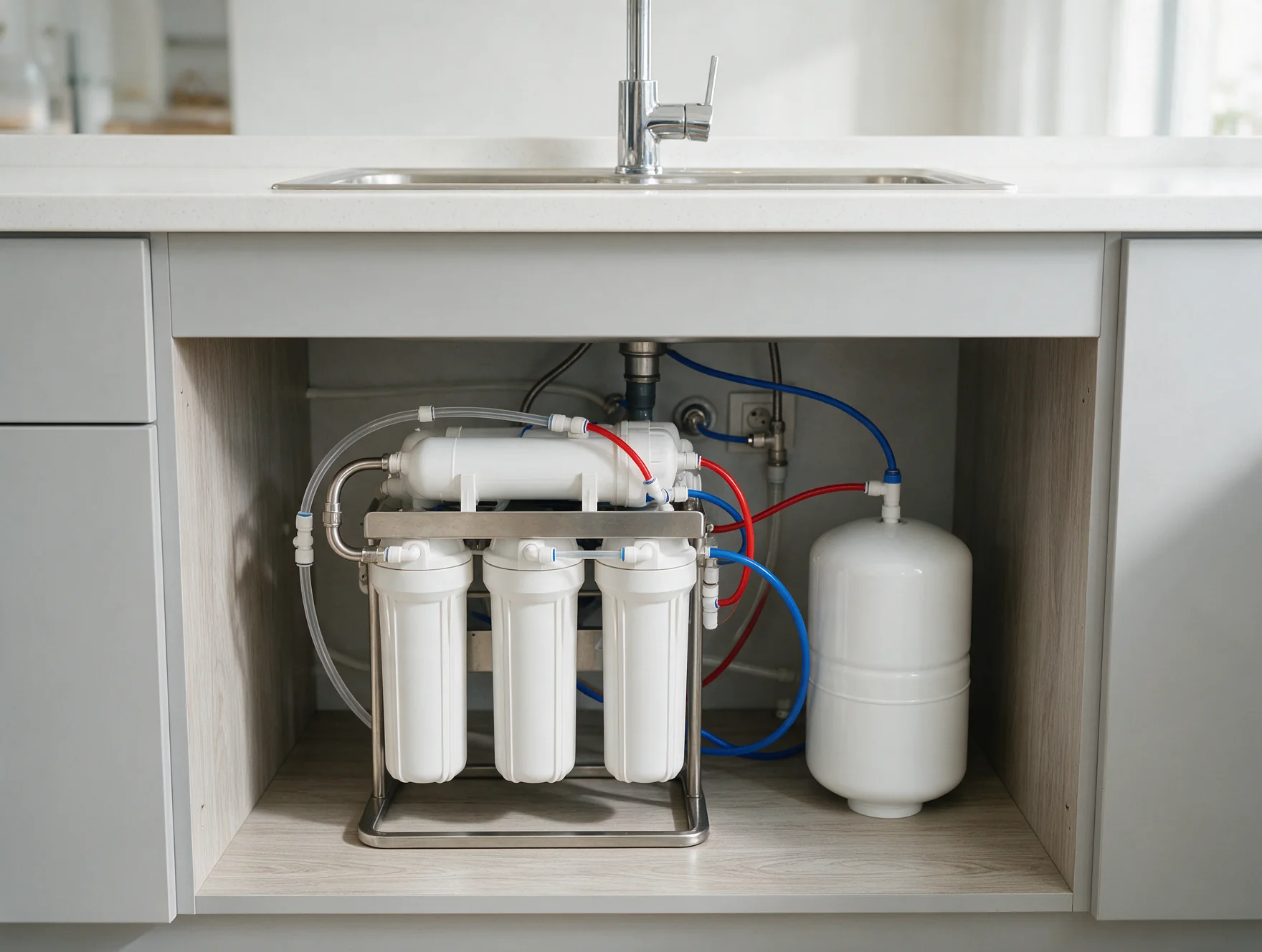
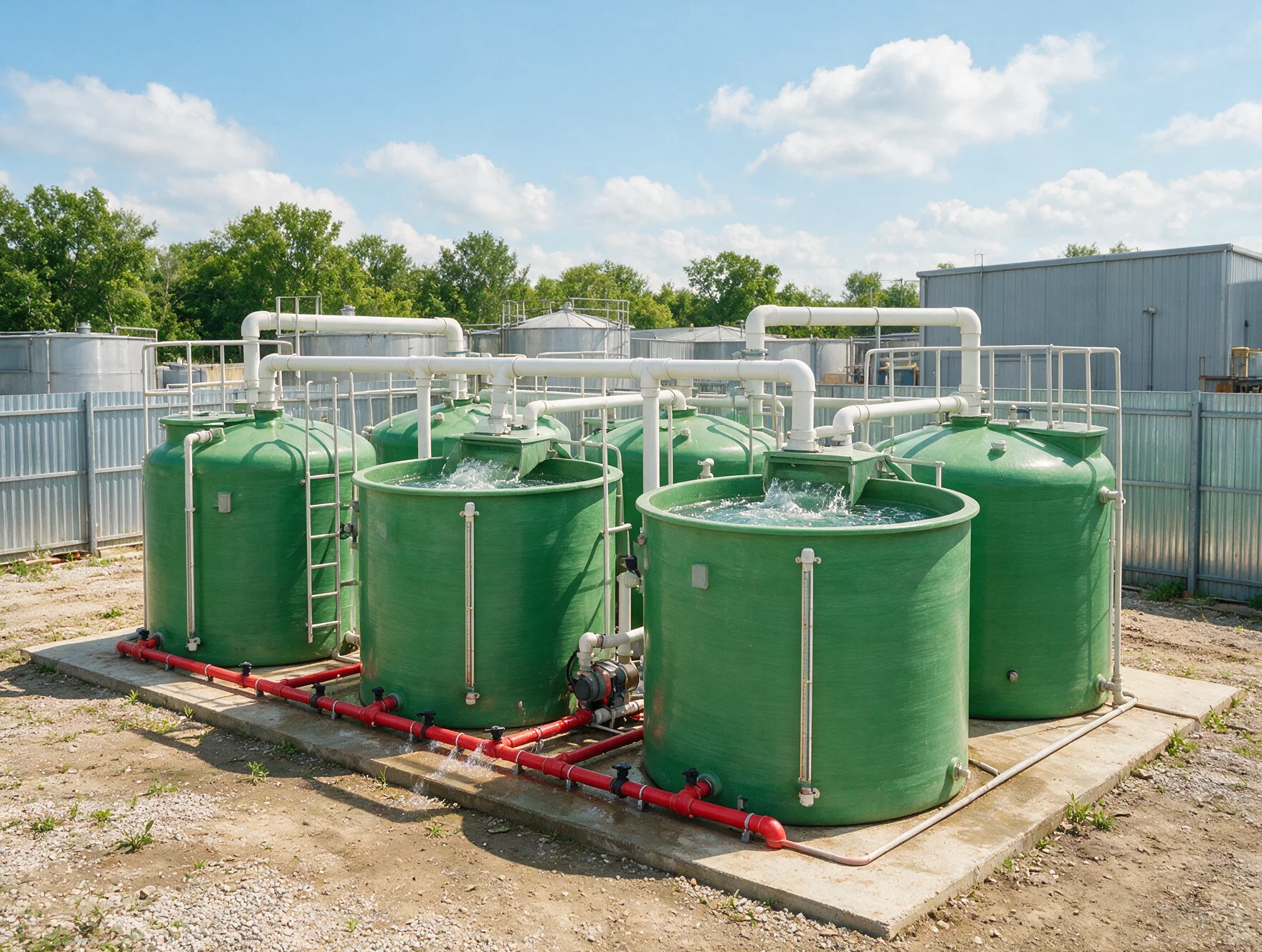
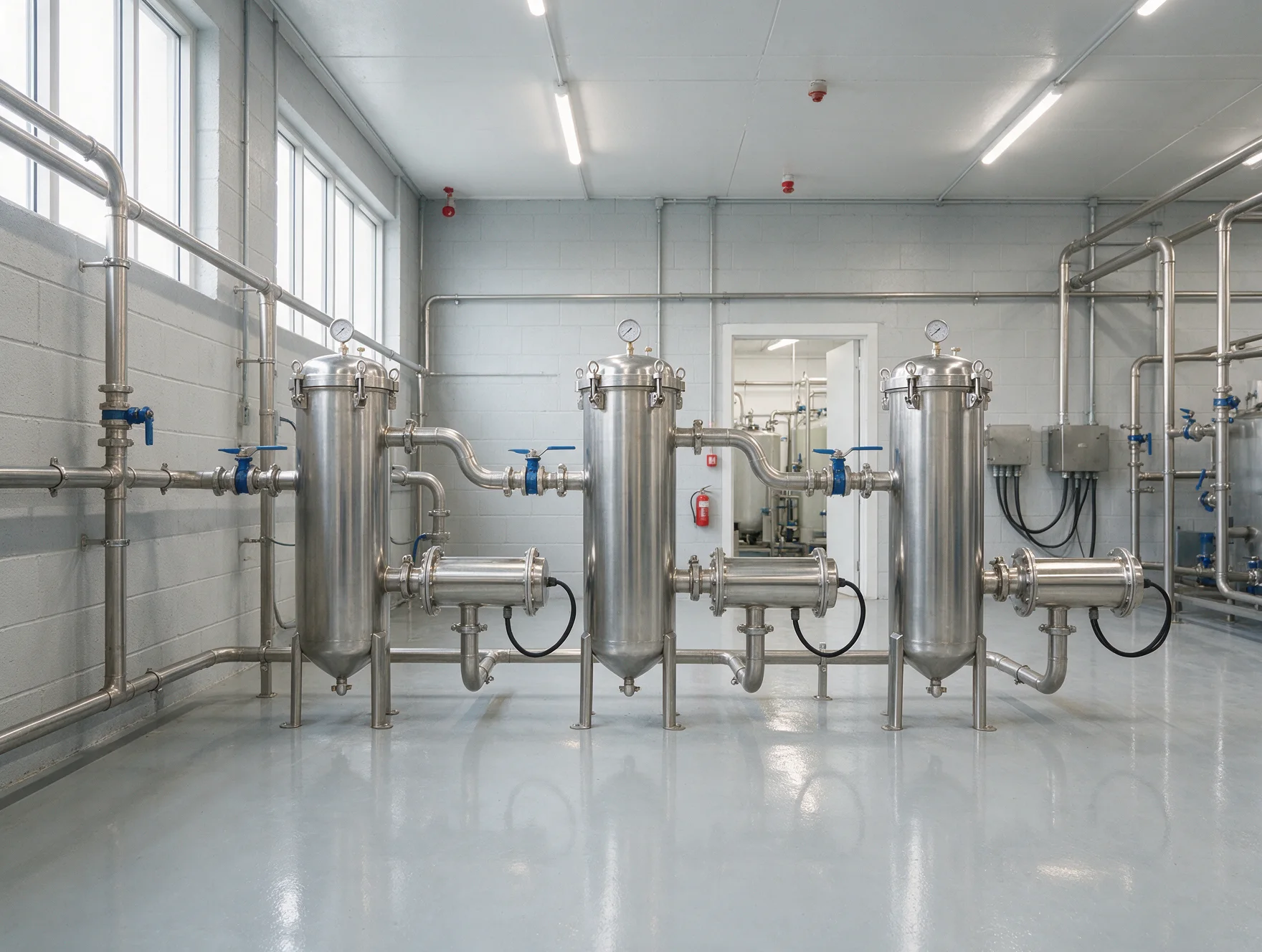
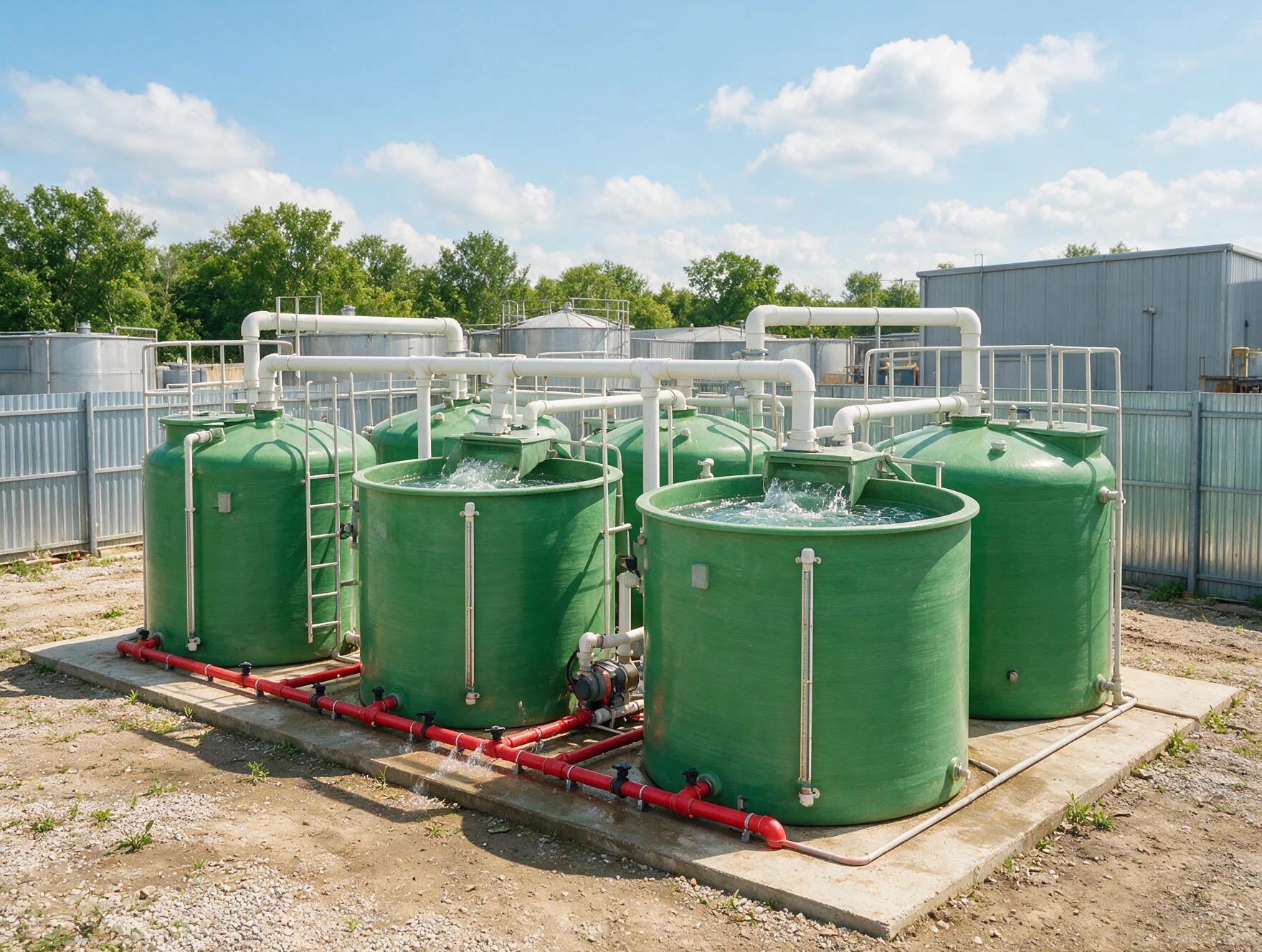
Residential and industrial water treatment systems work on the same principles but differ in capacity, pressure and filtration stages. Home reverse osmosis units install under the kitchen counter and produce 100–300 litres of drinking water per day. Industrial systems connect to process lines, treat tonnes of water per hour and are monitored via automation panels.
The first step in choosing a unit is a water analysis. High TDS, limescale or iron in well water calls for 5–6 stage reverse osmosis. If chlorine and sediment dominate in mains water, robust pre-filters (sediment + GAC carbon) may suffice. At Ecoteam we offer a free water analysis before installation and recommend the unit and filter set accordingly.
The difference between pumped and non-pumped models is pressure. In low-pressure lines, a pumped unit maintains membrane efficiency. Countertop solutions such as purified water dispensers suit offices and showrooms. Cabinet-type industrial RO systems provide central treatment in hotels, factories and agricultural facilities.
The filter maintenance schedule determines unit lifespan. Sediment and carbon filters should be replaced every 6–12 months, the membrane every 2–3 years. On industrial lines, differential pressure monitoring indicates when membrane cleaning is due. A periodic maintenance contract protects both water quality and equipment warranty.
In short, the right system is chosen by evaluating the water source, daily consumption, installation space and budget together. From Ecoteam's Ravent, Express Water, Aqualine and Pentair ranges, we can identify the solution that fits your needs.
Other news


Let's talk about your project.
Pool, treatment or irrigation — call today or fill in the form for a free site survey.
or call us directly 0 507 240 47 05